Saturday, February 1, 2020

Uncle Ezra's 1937 Alka-Seltzer Songbook


Uncle Ezra, a character created and played by Patrick Barrett, was a popular personality on the WLS National Barn Dance out of Chicago. Alka-Seltzer, a sponsor of the show, published this songbook—reproduced below in its entirety—in 1937. 

In addition to Ezra, the songbook spotlights Henry Burr, Lulu Belle and Scotty, the Maple City Four, Sally Foster, Joe Kelly, the Hoosier Hot Shots, and Lucille LongUncle Ezra was a rustic humorist rather than a singer, but he nevertheless recorded one record with the Hoosier Hot Shots in 1935 and was the subject of a few songs, at least one of which he cowrote

The songs in the songbook that are associated with Ezra don't appear to have been recorded commercially; "Give Me a Toot on the Tooter, Tommy," which Ezra cowrote, echoes one of Ezra's catchphrases, and "Uncle Ezra Please Slow Down" is about the Uncle Ezra character. A transcription recording of "Give Me a Toot on the Tooter, Tommy" can be heard below.


The booklet invites readers to write to Miles Laboratories (the maker of Alka-Seltzer at that time) in Elkhart, Indiana, to obtain free additional copies of the booklet "for social gatherings, church affairs, banquets, etc." Miles Laboratories was willing to give these away for free because of the heavy advertising content; the booklet contains an ad for a Miles Laboratories product on every other page.

Click on the images below to see larger versions.


Popular Songs of Henry Burr
Favorite Songs of Lulu Belle and Scotty
Favorite Songs of the Maple City Four
Favorite Songs of Uncle Ezra
Favorite Songs of Sally Foster
Popular Songs of Joe Kelly
Popular Songs of the Hoosier Hot Shots
Favorite Songs of Lucille Long


Friday, January 24, 2020

Rock 'n Roll Gal and other music-themed pulp paperbacks


Many of the dimestore paperbacks of the 1950s-1970s were cheap and hastily written, but their lurid and sensational covers are now esteemed as examples of kitschy and compelling pop art.

Even classic literature was sometimes promoted with racy cover art. But many of these books mirrored the covers with modern stories about scandalous subject matter such as sex, drugs, and crime.

Here are some that had music-themed titles and/or art.


Saturday, January 18, 2020

The Imperials – "C'mon Tiger (Gimme a Growl)" b/w "The Glory of Love" (1958)


Price guides and discographies often list this 1958 single by the Imperials as a Little Anthony & the Imperials record, but it's by a completely different group.

These Imperials were from Providence, Rhode Island, and were formed by Joseph DiBiase and Tom Battista, both of whom played in their school band.

DiBiase started playing piano at the age of 5 and later pursued studies in conducting and arranging. He and Battista formed the Imperials as teens, and the group appeared on radio and television. While touring in California, the group was picked up by Liberty Records.

Cash Box  –Mar. 22, 1958

The group's only single was "C'mon Tiger (Gimma a Growl)," a song written by Hal Winn. Winn was a British producer and songwriter who composed a lot of songs with interesting titles, such as "(Come on and) Join the Society for the Prevention of Cruelty to Girls in Love," recorded by the Cody Sisters in 1959, and "Rate-a-Date Book," recorded by Linda Star & the Starlets in 1963. In the 1970s, Winn produced and composed for the Mystic Moods Orchestra.


The B-side was "The Glory of Love," a pop oldie that has been recorded countless times. The song had been a #1 pop hit for Benny Goodman in 1936 and a #1 R&B hit for the Five Keys in 1951 and would become a minor hit for the Roommates in 1961.

The Imperials recorded their single with the Spencer-Hagen Orchestra, which also recorded separately for Liberty on albums such as Essence of Romance(Hear the orchestra's recording of "Voodoo" here.)

The Imperials don't appear to have lasted long after "C'mon Tiger" was released. DiBiase became a professional organist and organ salesman, directed children's choirs, and composed and arranged MIDI church music that is used in churches nationwide. Battista went on to work in television, becoming an executive vice president at CBS before starting his own syndication and production company. He wrote a novel in 2011, The Company's Man, that includes a fictionalized account of the Imperials.

As a side note, although the Liberty advertisement above and discography sites such as Discogs and 45cat show "C'mon Tiger" as the top side of the single, the Cash Box clipping at the top of this page and Battista's novel mention only "The Glory of Love."


Thursday, January 2, 2020

The Music Weird's best of 2019


1. I Saw You Yesterday – Calm Days

Sample tracks: "Beach Babe," "White Out"


2. Younghusband – Swimmers

Sample track: "Translation"

3. The Ballet – Matchy Matchy

Sample track: "Love Letter"


4. Tennis Club – Pink

Sample track: "Vodkas"


5. Swimming Tapes – Morningside

Sample track: "Passing Ships"


6. Kakkmaddafakka – Diplomacy

Sample track: "Moon Man"


7. Eerie Wanda – Pet Town

Sample track: "Magnetic Woman"


8. Petite League – Rattler

Sample track: "Hang the Cowboy"


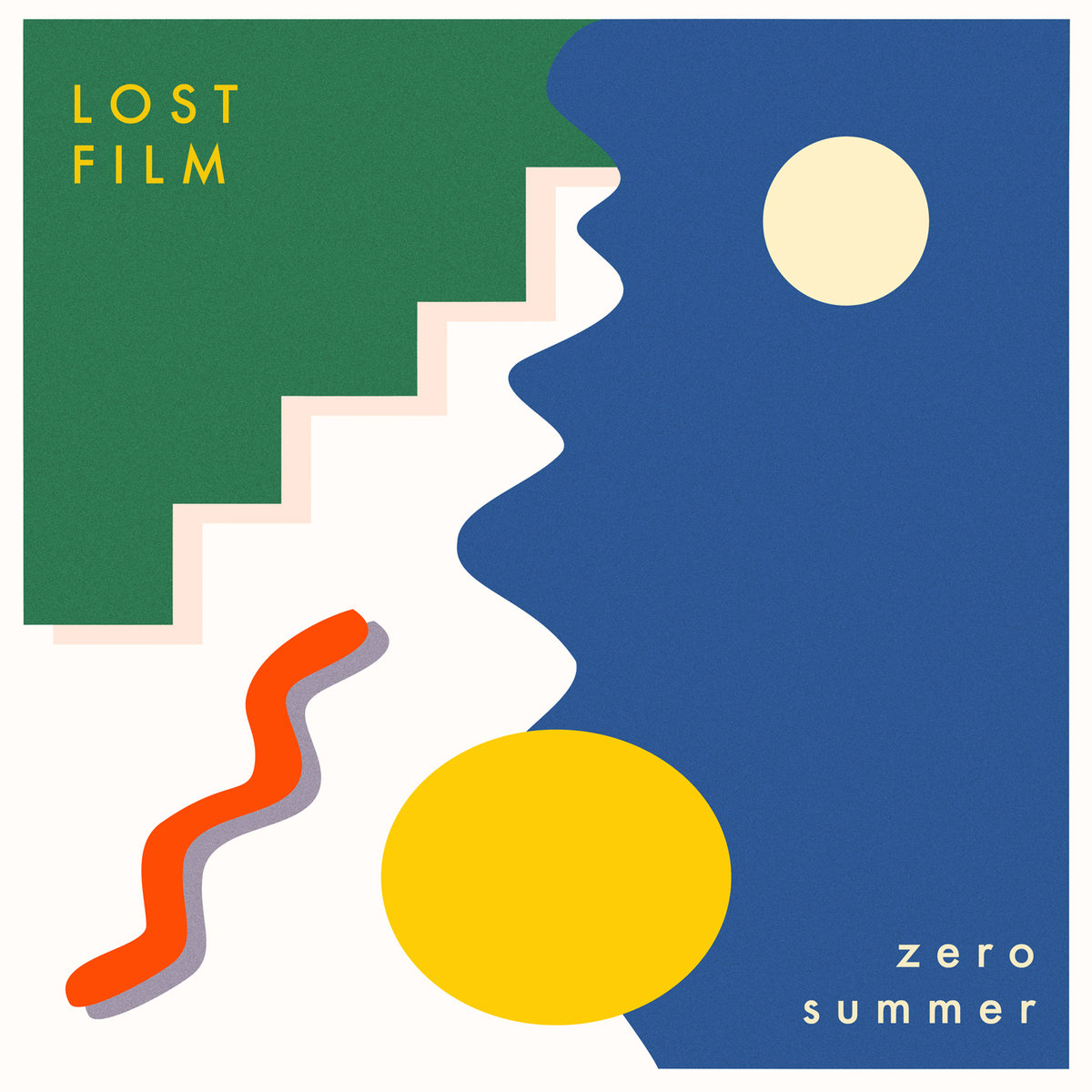
9. Lost Film – Zero Summer

Sample track: "It's Fine" 


10. Teen Daze – Bioluminescence

Sample track: "Spring"


11. Jeanines – Jeanines

Sample track: "Either Way"


12. Frankie Cosmos – Close It Quietly

Sample track: "Wannago"


13. Emma Russack & Lachlan Denton – Take the Reigns

Sample track: "Love for Myself"

14. Elva – Winter Sun

Sample track: "Athens"


15. Brother Sports – "Put Out the Fires"

Sample tracks: "Put Out the Fires," "Brooklyn Heights" 


16. Parks, Squares and Alleys – "Lucky 9"

Sample track: "Lucky 9"


2018


While I'm at, I never got around to posting faves of 2018, so here they are for posterity: 


1. gobbinjr – Ocala Wick

2. SALES – forever & ever

3. Magic Potion – Endless Graffiti

4. Parks, Squares and Alleys – Cold Blood Magic

5. Human Touch – Promise Not to Fall

6. Hater – Siesta

7. Motorama – Many Nights

8. The Beths – Future Me Hates Me

9. Garden City Movement – Apollonia

10. Tracyanne & Danny – S/T

11. Cut Worms – Hollow Ground

12. Tape Waves – Distant Light

13. Mat Zo – No Words EP

14. Magic Circuit & Nyanners – Dance EP

Wednesday, December 25, 2019

10 songs about fat Santa


We get it—Santa is fat. Here are ten songs that belabor the point.


1. Gene Autry – "He's a Chubby Little Fellow" (1949)

This good-natured song about Santa is a welcome relief from some of the mean-spirited tunes that follow.


2. Jimmy Boyd – "Santa Got Stuck in the Chimney" (1953)

When Santa gets stuck in the chimney, he has to threaten the children with loss of toys to get them to come to his rescue.


3. Sunshine Ruby – "Too Fat for the Chimney" (1953)

"Too Fat for the Chimney," for whatever reason, is the most widely recorded fat Santa song of them all. Country music kid singer Sunshine Ruby recorded it in 1953, and Teresa Brewer and Jerry Colonna recorded it that same year for the pop field. Gisele MacKenzie revived it in 1957. The song expresses doubt that Santa will be able to perform his occupational duties on account of his excessive girth.


4. Bill Darnell & The Smith Brothers – "Too Fat to Be Santa Claus" (1954)

This faux-Calypso tune describes the anguish of a man who would like to dress up as Santa for Christmas but is too fat to portray a character who—these other songs assert—is already too fat.


5. Leslie Uggams – "The Fat Fat Man (With the White White Beard)" (1954)

Leslie Uggams recorded this pretty annoying song when she was about 11 years old. The song has an upbeat message but emphasizes Santa's morbid obesity with its repetition of the word "fat."


6. The Pixies with Thurl Ravenscroft – "Santa's Too Fat for the Hula Hoop" (1958)

An entry in the hula-hoop song craze of 1958-59 (which The Music Weird previously covered in depth here), this novelty features the late, great Thurl Ravenscroft, commonly known as the voice of the Grinch and Tony the Tiger. The song describes Santa's inability to use a hula hoop, and—bringing to mind the proverbial phrase about the glass being half full or half empty—concludes that the problem isn't a too-small hula hoop but a too-fat Santa. 


7. Rudolph & the Gang – "Here Comes Fatty Clause" [sic] (1984)

This crude novelty was included on the 2004 compilation A John Waters Christmas, which corrected the misspelling in the song title that can be seen below on the original single's label. The B-side, "Comink Zee Clauski Fattnik," offers more of the same.


8. Insane Clown Posse – "Santa's a Fat Bitch" (1997)

I had a hard time following exactly what this dystopian Christmas song is about, but whatever it is, it's not pretty.


9. The Producers – "Too Fat to Fit" (2003) 

Taken from the album Broadway's Greatest Gifts: Carols for a Cure, Volume V. In this song, a group of helpful men offer Santa dietary advice. The song's most alarming disclosure is that Santa has eaten an elf.


10. Rodney Crowell – "When the Fat Guy Tries the Chimney on for Size" (2018)

Songs about Santa's fatness never go out of style, as shown by this recent recording by Rodney Crowell. Despite the song's bluesy tone and irreverence in referring to Santa as "the fat guy," the song has an upbeat message about the spirit of giving.


Bonus tracks: 

Pala Brothers Orchestra – "Sausage & Sauerkraut for Santa -- Polka" (1957)


The Four Aces – "Ol' Fatso" (1958)

Thursday, December 19, 2019

Actor Greg Morris's short "singing" career


Actor Greg Morris's short-lived recording career is probably an illustration of the power of networking. Morris started showing up at music events in 1968 and suddenly had a recording contract with Dot Records, even though he wasn't a singer or musician.

How do you record a vocal album when you're not a vocalist? It's simple: Don't sing. 

On his lone album, Morris doesn't sing a single note—he just recites the lyrics of every song over instrumental backing à la William Shatner, whose debut album, The Transformed Man, was released by Decca Records later in 1968.

Could Dot Records' experiment with releasing an album of recitations by an actor from a television action/adventure/crime series (Greg Morris) have influenced Decca Records' decision to release a similar album of recitations by an actor from a television action/adventure/sci-fi series (William Shatner)? It makes you wonder.

Morris was a Cleveland-born actor who began appearing in television shows in the early 1960s and then landed a plum role in 1966 on Mission: Impossible, in which he played Barney Collier, the gadgeteer and technical whiz of the Mission Impossible Force. Despite his extensive television credits, this role came to define him, and he reprised the role on The Jeffersons in the early '80s and in the reboot of the Mission: Impossible TV series in the late '80s.

But 1968 is the year of interest to us, because that was the year in which Morris's entire discography as a vocalist was released.

In March 1968, Morris was a Grammy award presenter at the NARAS (National Academy of Recording Arts and Sciences) dinner in Hollywood. I'm guessing that this is when Morris made the connections that led to his record deal.

In May, Jet reported that Dot Records threw a reception for Morris at Toots Shor's Restaurant in Manhattan. Also in May, Billboard reported that: 
Erwin Barg, Midwest promotion chief for Dot Records, and Dot Record Distributing branch manager Morry Goldman were co-hosts at an April 19 party introducing Greg Morris. The star of TV's "Mission: Impossible" has a new Dot album.
This must have been an album release party or a pre-release party, because the album wasn't listed as a new release in Billboard until April 27, and it wasn't reviewed until August. William Shatner's debut album, The Transformed Man, didn't appear in Billboard until November of 1968.


Morris's album, for you..., was a weird album and wasn't a big seller, although Dot promoted "Come Rain or Come Shine" as a single. 


In Argentina, Spanish-language versions of two songs from Morris's album—"El Reflejo del Amor (The Look of Love") and "Cuanto Mas te Vea ("The More I See You")—were released on a single. 

Because of the commercial failure of these records, Dot dropped him, and he returned to acting and continued to rack up television credits until his death from cancer in 1996. 

Morris had no commercial recordings after 1968 but appeared on a couple noncommercial albums of PSAs. One was the 1970 antidrug album If You Turn On, and another was an album that promoted the US government's Office of Economic Opportunity Vista program, which also featured PSAs by Pat Boone and Leonard Nimoy. 

Click here to listen to Greg Morris's "The Look of Love."


And here for Greg Morris's rendition of "The Twelfth of Never."